


Kennel Cough: What Pet Parents Should Know

Updated: Apr 21
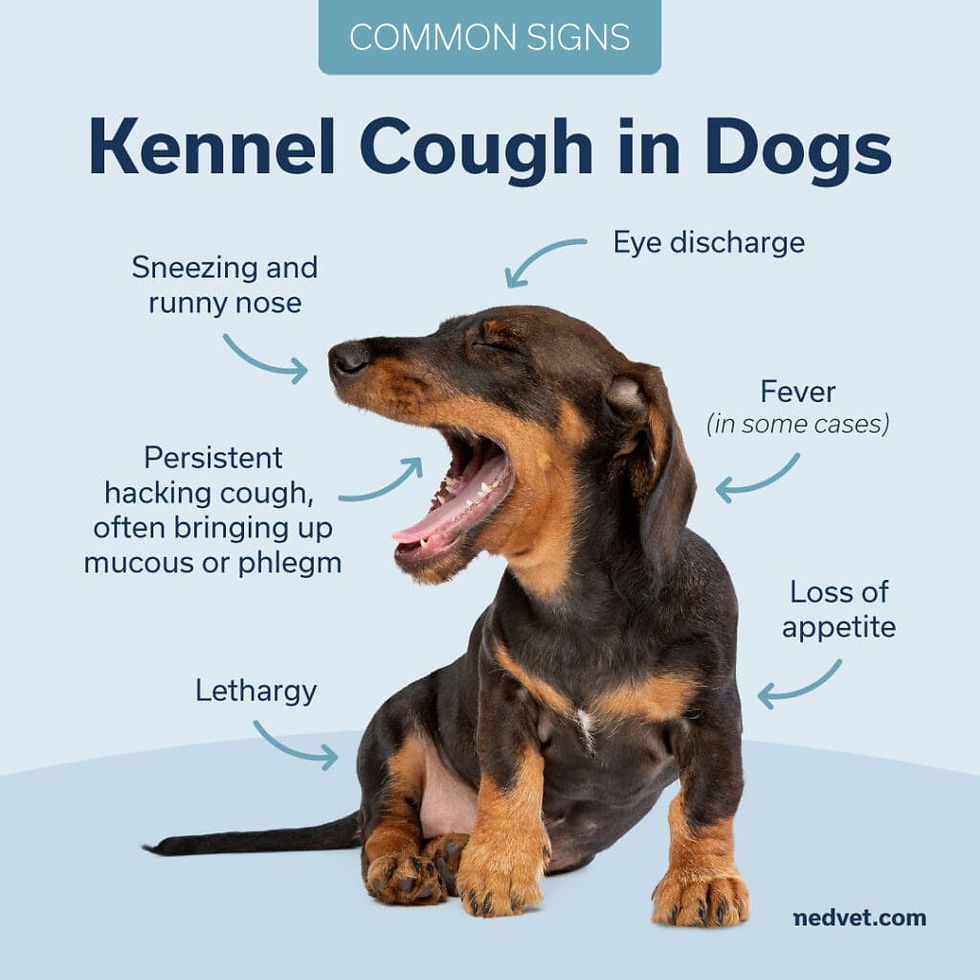
Kennel cough, also known as Canine Infectious Respiratory Disease Complex (CIRDC), is a common, contagious respiratory illness in dogs— spreading similarly like
cold or flu viruses do among humans. It can be caused by a combination of viruses and bacteria, most commonly Bordetella bronchiseptica, along with other airborne pathogens.
Common Symptoms:
Persistent dry, honking cough
Sneezing
Runny nose
Mild lethargy
Reduced appetite (in some cases)
Most cases are mild and can resolve with rest, but like any illness, it’s important to monitor your dog closely as some cases can require vet attention and medication.
How We Keep South Paw Clean & Safe
At South Paw cleanliness and health standards are something we take very seriously. We go above industry standards to protect every dog in our care.
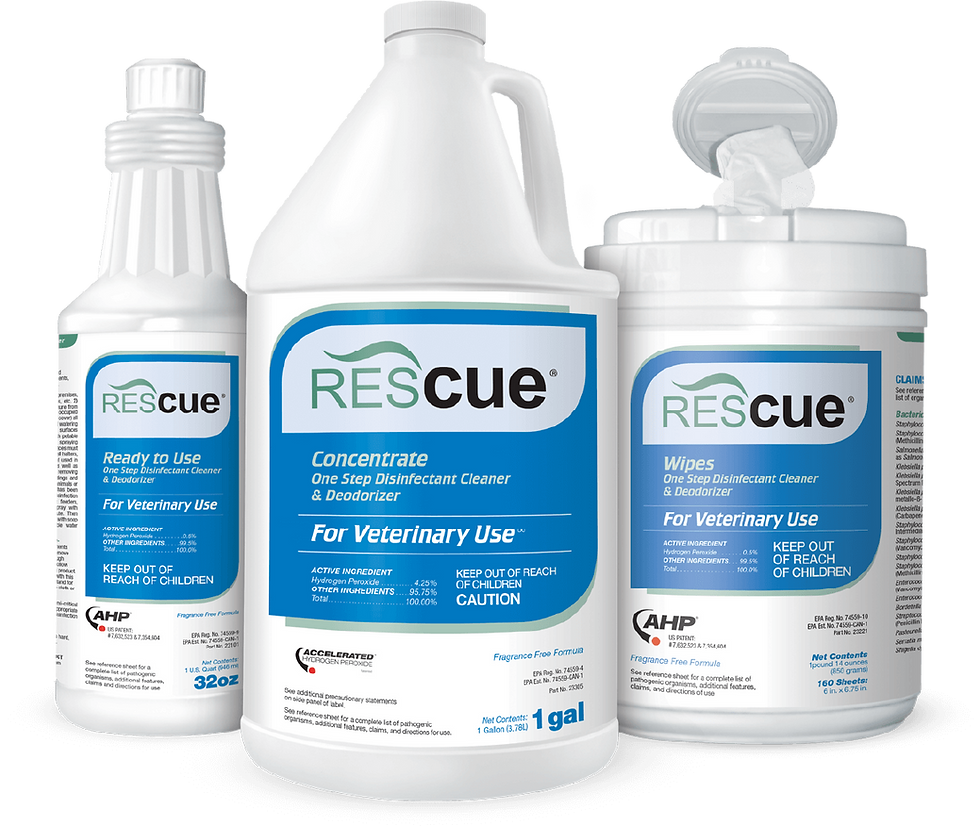
Our Protocols Include:
Daily deep cleaning & sanitizing of all play areas and surfaces
Routine disinfection of water bowls, toys, and shared spaces multiple times each day
Immediate cleaning of any accidents
Proper ventilation and airflow management
Strict vaccine requirements (Rabies, Bordetella, Distemper) all must be in date or have vet exemptions for dogs to come for boarding, daycare, or grooming
Required lab-tested fecal screenings to ensure overall health
We are constantly educating ourselves, staying up to date with veterinary recommendations, and improving our protocols to maintain a safe environment.
Why Illness Can Still Happen–Even in Clean Facilities
Just like children in school or adults in the workplace, dogs in social environments can still be exposed to airborne illnesses–even with: vaccines, clean environments and careful monitoring.
Illnesses like kennel cough can still occur because:
Some dogs may be contagious before showing symptoms
Not all strains are covered by vaccines, just like with flu vaccines for humans, dog vaccines for the flu and other viruses are not able to prevent or combat every strain
It spreads easily through airborne droplets and with so many dogs in one area, anything airborne is able to travel extremely quickly.
This is why partnership with pet parents is so important.
When to Keep Your Dog Home
Please keep your dog home if you notice:
Coughing
Sneezing
Runny nose
Lethargy
Fever or unusual behavior
Keeping them home helps protect other dogs and allows your pup to rest and recover faster.

What To Do If Your Dog Gets Kennel Cough
1. Contact Your Veterinarian
They can confirm the diagnosis and recommend treatment if needed.
2. Allow Rest & Recovery
Most mild cases resolve within 1–3 weeks with rest.
3. Limit Activity
Avoid daycare, boarding, dog parks, and grooming until fully recovered.
4. Provide Supportive Care at Home
Keep your dog warm and comfortable
Encourage hydration
Use a humidifier or steamy bathroom to help ease coughing
Avoid collars—use a harness to reduce throat irritation
Our Return to South Paw Guidelines
We would like dogs to be fully finished with their medication from the vet, if they did indeed need medication. We also ask that dogs are symptom-free of runny nose and sneezing. We understand coughing can linger without contagion, though we would likely limit activity throughout the day if they still were coughing.
Our Commitment to You
We are committed to:
Maintaining a clean, sanitized, and safe environment
Being transparent and proactive with health communication
Partnering with pet parents to protect every dog in our care
Your trust means everything to us, and together, we can keep our South Paw community healthy and happy.
If you ever have questions about your dog’s health or readiness to return, please don’t hesitate to reach out. We’re always here to help.


Comments